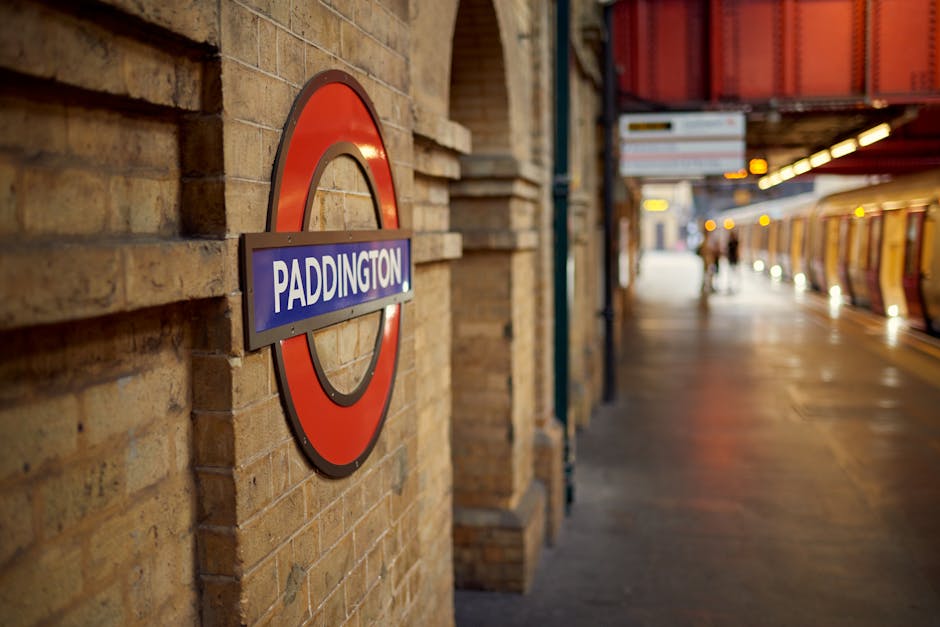
Permits and loading bay rules for Paddington removals (W2)
Posted on 26/06/2026
If you are moving in Paddington, the tricky part is rarely the boxes. It is the kerb space, the time window, and whether your van can actually stop where you need it to. Permits and loading bay rules for Paddington removals (W2) can make the difference between a calm move and a morning of circling the block, carrying wardrobes an extra 80 metres, and watching the clock like a hawk.
This guide breaks the process down in plain English. You will learn when a permit or parking suspension is usually needed, how loading bays tend to work in busy W2 streets, what to check with buildings and management teams, and how to reduce the risk of fines, delays, and avoidable stress. It is written for real moving days, not ideal ones. Because let's face it, moving day never quite sticks to the script.
For a broader look at the area and the kind of move challenges people face locally, you may also find it useful to read resident views on Paddington living and the Paddington property buying guide.
Why Permits and loading bay rules for Paddington removals (W2) Matters
Paddington is a busy part of west London, and W2 has the sort of street layout that can make removals feel more complicated than they should. You have busy roads, resident bays, loading restrictions, hotel traffic, delivery vehicles, and streets that are not always built with a large removals van in mind. In some pockets, even a short stop can affect everyone around you.
That is why permits and loading bay rules matter. They are not just admin. They are part of how you protect your move from disruption. If your vehicle cannot legally stop near the property, your team may have to park farther away, break the load into more trips, or wait for a space to open up. That costs time and, often, money. More importantly, it can create a lot of unnecessary friction on the day.
There is also the risk side. A van standing in the wrong place, even for a few minutes, can attract a ticket or a complaint. In a place like Paddington, where streets can feel tight and constant motion is the norm, those small issues snowball quickly. A well-planned stop, by contrast, lets everyone work faster and with less bother. You will notice the difference almost immediately.
If you are planning a flat move, a house move, or even an office relocation, it is worth understanding the local parking picture early. Services such as flat removals in Paddington, house removals, and office removals all run more smoothly when access is sorted before the first box is lifted.
Expert summary: In Paddington, the best move is rarely the one that starts first. It is the one that starts legally, with the right stopping place, the right timing, and the right backup if that bay is already occupied.
How Permits and loading bay rules for Paddington removals (W2) Works
In simple terms, the process usually comes down to three questions: where can the vehicle stop, for how long, and under what conditions? That sounds straightforward, but local streets make the answer depend on the exact location, the time of day, and the type of vehicle involved.
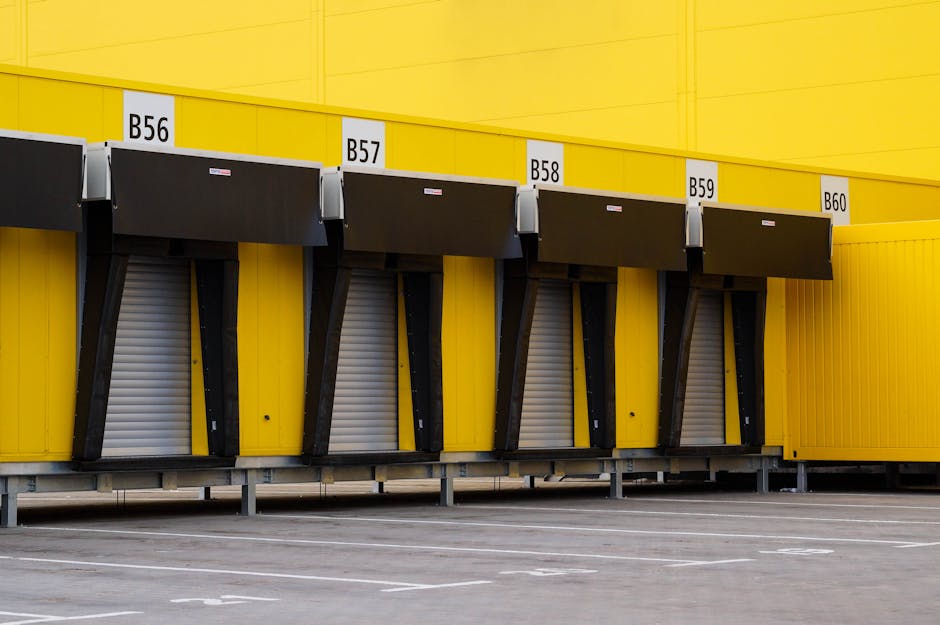
Some removals use a designated loading bay. Others rely on a suspended bay, a paid parking place, or a short legal loading window on the street. In some cases, the building has its own driveway, service entrance, or managed loading area. In others, there is no obvious stopping point at all, which is where planning becomes really important.
A loading bay is not the same thing as a normal parking space. It is generally intended for short-term loading or unloading, often with time limits and local rules about vehicle type, maximum stay, and whether the driver must remain with the vehicle. It may also be shared with other users, so a bay that looks available from a distance may still be unsuitable once you inspect the signage closely.
For moves near busier routes or compact residential streets, the practical question is often whether you need to arrange a parking suspension or simply use a bay as it stands. Our guide on parking suspensions for moves is a useful companion piece if you want to understand when that extra step is worth taking.
Another detail people overlook: loading restrictions can differ depending on whether the van is waiting, actively loading, or blocking part of the road for a short handover. Those distinctions matter. If you are shifting heavy furniture or awkward items, a minute can turn into ten very quickly. That is why a realistic access plan beats a hopeful one every time.
What usually needs checking before moving day
- Whether the road has a loading bay, residents' bay, or pay-and-display space
- Whether the bay is time-limited or restricted to certain hours
- Whether the building needs advance notice for vehicle access
- Whether the removal vehicle is the right size for the street
- Whether a parking suspension or temporary suspension request is advisable
- Whether there are yellow lines, bus lanes, or other restrictions nearby
- Whether lift access, concierge support, or service entrances are available
Key Benefits and Practical Advantages
Getting the permits and bay rules right is not glamorous, but it pays off in very real ways. The biggest gain is simple: fewer surprises. Once access is sorted, the actual moving work gets easier, faster, and safer.
Here are the main advantages you can expect:
- Less delay: the team can park close to the entrance instead of hunting for a spot.
- Reduced carrying distance: fewer stairs, fewer turns, fewer chances to chip furniture on a kerb or doorway.
- Lower stress: you are not trying to manage access while dealing with the emotional chaos of moving day.
- Better safety: shorter lifts and shorter trips reduce the chance of injury or damage.
- Fewer enforcement issues: compliance helps you avoid tickets and awkward conversations with neighbours or wardens.
There is also a commercial benefit. If a moving crew can load efficiently, the job may be completed in fewer hours. That does not mean every move will be cheaper, of course, but smoother access usually helps keep costs under control. If you are comparing providers, removal companies in Paddington and pricing and quotes pages can be a helpful starting point when you are weighing up how access affects the overall job.
And there is a human benefit too. When the van is close, the building is ready, and the rules are clear, the day feels manageable. That matters more than people expect. A move is never just a logistics exercise; it is usually a life transition with a lot of moving parts. Sometimes literally.
Who This Is For and When It Makes Sense
Not every move in Paddington needs the same level of parking planning. Some homes have easy access. Some buildings have service roads. Some streets allow short loading stops with no drama. But if any of the following sounds familiar, you should treat permit and loading bay planning as essential rather than optional:
- You are moving from or into a flat on a busy street in W2
- You expect a large van or Luton-style vehicle
- You have bulky furniture, fragile items, or a piano
- Your building has limited lift access or narrow communal hallways
- You need the move done quickly, such as for a tenancy deadline
- You are coordinating a same-day or last-minute relocation
- The road outside your property is often full by mid-morning
Students and renters often need this kind of planning most because they are moving in and out of flats with limited space, fixed departure times, and not much margin for error. If that is you, the pages on student removals Paddington and same-day removals may be useful alongside this guide.
Office moves are a different beast, but the same idea applies. The bigger the van, the tighter the timing, the more important access becomes. A small paperwork issue can become a very visible delay if a reception team, freight lift, and loading bay all need to line up at once. Truth be told, that is where many removal plans wobble.
Step-by-Step Guidance
If you want to handle permits and loading bay planning properly, work through it in this order. It saves a surprising amount of back-and-forth later.
- Confirm the exact move address. Sounds obvious, but buildings in Paddington often sit on streets with different restrictions just a few doors apart.
- Check whether there is a loading bay or legal stopping area nearby. Look at the street layout, not just the front entrance.
- Ask the building management or concierge about vehicle access. They may know the practical quirks that maps do not show.
- Decide whether a parking suspension or special arrangement is needed. If the only practical bay is usually occupied, treat this as a real possibility.
- Match the vehicle to the access point. A smaller van may be the better option if the street is cramped or turning space is tight.
- Plan the loading sequence. Put the heaviest and most awkward items close to the exit first so you minimise time at the kerb.
- Build in a little buffer. A driver arriving exactly on time is great. A driver arriving to an occupied bay is not.
- Have a fallback. Know where the nearest alternative stopping point is in case the planned bay cannot be used.
A lot of people skip straight to booking the van and packing boxes. Then the access issue arrives on the day and everyone has to improvise. That rarely ends well. A better approach is to treat the street as part of the move plan, not something separate from it.
If you are still in the packing phase, pairing access planning with packing and boxes and, for larger items, furniture removals can make your timeline much easier to control.
Expert Tips for Better Results
Here are the small things that make a real difference on Paddington move days. They are not flashy, but they help.
- Photograph the bay signage before the move. It gives you a quick reference if there is a dispute or confusion.
- Check the time of day carefully. A bay that is fine at 8:00 a.m. may be impossible to use by 10:30 a.m.
- Keep the driver with the vehicle where possible. In many loading situations, leaving the van unattended is a bad idea.
- Use a smaller removal vehicle if access is tight. It can be the smarter choice, even if it means a few extra trips.
- Pre-stage items near the exit. Hallways and lifts can become bottlenecks very quickly.
- Agree the loading order in advance. This avoids that awkward "wait, where does the mattress go?" pause.
One bit of practical wisdom: if your move involves valuable or heavy items, think about how access and handling interact. A piano, for example, needs more than parking; it needs the right equipment, the right team, and enough time at the entrance. For that reason, piano removals Paddington deserve special planning, not just a bigger van and a brave face.
Another small but important tip: speak to neighbours if you are likely to occupy a shared space or briefly block a route. You do not need a speech. Just a quick, calm heads-up. It helps more than people admit.

Common Mistakes to Avoid
The same mistakes come up again and again. They are easy to make, especially when you are busy. The good news? They are also easy to avoid once you know what to look for.
- Assuming the closest space is legal. Closest is not the same as allowed.
- Leaving permit checks until the day before. That is where avoidable stress starts.
- Booking a vehicle without checking street size. Paddington streets can be less forgiving than they look on a map.
- Forgetting building rules. Some properties have managed access requirements that matter as much as street rules.
- Ignoring loading bay time limits. A bay can be perfectly legal and still not give you enough time.
- Not planning for bulky items. Wardrobes, sofas, and beds slow everything down if they are not prepared in advance.
- Failing to build in a backup. If the first bay is taken, you need a second plan immediately.
A very common one is underestimating how long the loading stage takes. People think, "It's only a small flat." Then they discover the sofa does not fit around the turn, the lift is busy, and the front bay is blocked by a delivery van. The morning disappears. Not ideal.
For awkward items, this can link directly to how you dismantle and move furniture. Our article on bulky item moves in W2 covers the handling side of things in more detail.
Tools, Resources and Recommendations
You do not need fancy tools to manage permits and loading bay planning, but you do need reliable information and a few practical habits.
- Street signage photos: take clear pictures of restrictions near the property.
- Floor plan or building notes: useful for checking lift access and item sizes.
- Move timeline: a simple schedule for arrival, loading, and departure.
- Inventory list: helps estimate how long the loading phase will take.
- Contact list: building manager, move coordinator, and driver details in one place.
- Backup access plan: know the next-best stopping point before you need it.
If you want a wider view of how a move is organised end to end, the pages on services overview, removal services Paddington, and man with a van Paddington can help you compare what type of support fits your situation.
For people who want a fast, practical move with less friction, a smaller vehicle can sometimes be the smarter choice. The page on man and van Paddington is especially relevant if your street access is limited or you only have a moderate volume of items.
Law, Compliance, Standards, or Best Practice
Parking and loading in London is governed by local rules, road markings, signs, and enforcement practices. In Paddington, the exact requirements depend on the street and the time of day, so there is no safe one-size-fits-all answer. That is why careful checking matters.
As a best-practice rule, treat all kerbside access as conditional until you have confirmed it. If there is a loading bay, read the signage in full. If there is a suspension or temporary parking arrangement, make sure the timing, location, and vehicle details are suitable. If there are yellow lines, bus lane rules, or controlled hours, do not assume a quick stop will be tolerated just because the move is brief.
From an operational perspective, good removal planning should also support safety. That means keeping walkways clear, avoiding unsafe lifting, reducing trip hazards, and not overloading the team with unrealistic timing. Our health and safety policy and insurance and safety information are useful touchpoints for understanding the standards a professional move should meet.
Best practice also includes clear communication. If a building manager says the bay must be vacated by a certain time, build your schedule around that. If the access route is narrow, use a smaller van or split the move into stages. If you have a fragile or high-value item, plan for extra handling time rather than trying to race the clock.
In short: follow the rules, but also respect the reality of the street. That combination is what keeps a W2 move calm and compliant.
Options, Methods, or Comparison Table
There are a few different ways to handle parking and loading access in Paddington. The best option depends on the street, the building, and how much you are moving.
| Option | Best for | Pros | Limitations |
|---|---|---|---|
| Use an existing loading bay | Short moves with clear bay access | No special arrangement needed, quick to use if available | May be occupied or time-limited; rules can be strict |
| Arrange a parking suspension | Moves needing guaranteed kerb access | Reduces the risk of losing your stopping point | Requires planning and may not suit last-minute moves |
| Use a smaller vehicle | Narrow streets or tricky access | Easier to manoeuvre, often more practical in tight areas | May need extra trips if volume is high |
| Stage the move from a nearby legal stop | Very constrained streets | Flexible if the exact front door space is unavailable | Slower and more labour-intensive |
There is no universal winner here. A big house move may justify more formal access arrangements, while a student move might work perfectly well with a smaller van and a tight but legal loading window. The smart choice is the one that fits the street, not the one that sounds strongest on paper.
Case Study or Real-World Example
Here is a typical Paddington scenario. A client is moving from a fourth-floor flat near a busy W2 road. The property has no private driveway, the communal hallway is narrow, and the street outside has a loading bay that is often busy late in the morning. On paper, the move looks simple. In reality, it needs a bit of choreography.
The first step is checking whether the bay can genuinely be used for the planned arrival time. The second is deciding whether a smaller van would make the loading easier. The third is making sure the packing is finished early enough so that the first load begins as soon as the vehicle is in position. The team also confirms lift access with the building manager and sets aside the most awkward furniture for dismantling before move day.
What changed the outcome was not brute force. It was planning. The driver had a legal stopping point, the crew knew the loading order, and there was a backup option if the bay was taken. The result was a smooth departure instead of a slow, stressed one. Nothing dramatic. Just good preparation, which is often what the best move day looks like.
That same approach applies to tight residential streets near canal-side areas too, where access can be especially sensitive. If you are moving around Little Venice or similar spots, it is worth reading Little Venice removals and narrow street access tips and the best moving routes from Paddington Station to Little Venice.
Practical Checklist
Use this before move day. It is simple, but it catches the things people tend to forget.
- Confirm the exact address and entrance to be used
- Check street signs and loading bay restrictions in person if possible
- Ask whether a parking suspension or temporary bay arrangement is needed
- Confirm whether the building has access rules, booking windows, or concierge procedures
- Match the van size to the street layout and volume of items
- Plan how long loading will realistically take
- Prepare bulky furniture for easier handling
- Keep a backup stopping point in mind
- Share all access notes with the driver and movers
- Leave a little time buffer for the unexpected
If you are still comparing move options, the pages on storage Paddington and house removals Paddington can help you think through whether your timeline needs a bit of flexibility. That is often useful, especially if completion dates or tenancy handovers are a bit wobbly.
Get a free quote today and see how much you can save.
Conclusion
Permits and loading bay rules for Paddington removals (W2) are not the most exciting part of moving, but they are often the part that decides whether the day feels controlled or chaotic. Once you understand where the vehicle can stop, how long it can stay, and what backup you have if the space is gone, everything else becomes much easier to manage.
Paddington rewards good planning. The streets are busy, access can be tight, and the margin for error is small. But with the right preparation, the right vehicle, and a realistic approach to loading, you can turn a potentially awkward move into something neat, efficient, and surprisingly calm. Not perfect. Just well handled. And honestly, that is a win.
For more about the company behind this guidance, you can also explore about us and removals Paddington.