Man With Van Paddington

Man With Van Paddington provides a straightforward moving service for local and longer journeys, with practical help for transporting furniture, boxes and other household or business items. The service is built around careful loading, sensible vehicle space planning and clear communication about what needs moving, so customers can arrange a move that suits the job rather than forcing the job to suit the vehicle. It is a simple option when you want moving help without unnecessary extras.
For people relocating from a flat, a shared property, a storage unit or a small office, the main value of a man and van service is flexibility. Items can be collected, carried and delivered in a way that fits the size of the load, the access at each address and the order in which objects should travel. If you already know the main pieces to move, you can request a quotation with a clear list and make the next step easier to plan.
The service can also suit one-off transport jobs that do not justify a full removals operation. That might include a single sofa, a few heavy appliances, archive boxes, or a mixed load of belongings that need to reach a new address together. Use it when you want practical movement of possessions handled in an organised way, with a focus on getting items from A to B safely and efficiently.
Home moves and flat moves
Home moves often benefit from a smaller, more adaptable approach, especially where access is tight, parking is limited or the amount of furniture is modest. A man and van arrangement can cover the moving day basics: bringing the right vehicle size, helping with carrying, and keeping the load arranged so fragile and bulky items are not pressed together unnecessarily. For many domestic jobs, that balance is more practical than booking something larger than required.
Home moves can be organised around the layout of the property and the list of items going out. Sofas, beds, wardrobes, dining sets and packed cartons all benefit from a sensible order of loading, and the plan should leave room for awkward pieces that need a little more care. Where dismantling has already been done, the move can usually be handled more efficiently; where it has not, the load simply needs to be handled with more attention to shape and access.
It is often useful to separate what is travelling immediately from what can be left behind, donated or stored. That keeps the moving load more manageable and reduces the chance of confusion on the day. If the move includes stairs, narrow hallways or a shared entrance, the work may need a steadier pace and more careful handling, especially for items with glass, polished surfaces or loose fittings.
House removals for larger domestic loads

When a move involves several rooms or a full household load, the service needs to be organised around the order of the furniture and the protection of the more vulnerable items. House removals are usually about turning a mixed collection of belongings into a practical load plan, so everyday items, furniture and boxed contents can travel without unnecessary strain on the people moving them or on the objects themselves.
The main decisions are usually about volume, access and the balance between heavy and delicate goods. Bulky wardrobes, mattresses, table frames and appliances may require more room and a clearer loading sequence than smaller bags and boxes. A sensible approach also allows for items that do not stack neatly, because a move is rarely made up of identical cartons. The aim is to keep the load stable, reachable and ready to unload in the right order.
Good preparation does not have to be complicated. A simple inventory, a note of awkward items and a clear idea of which pieces are staying together can be enough to help shape the move. If you are collecting quotes, it is useful to know whether you are moving from a top floor, whether any large items need careful handling and whether the destination has straightforward access. That information helps the transport plan reflect the real job instead of a guess.
Furniture, boxes and single-item transport
Not every booking is a full move. Sometimes the job is simply to collect a few pieces from one address and take them to another, or to carry selected items from storage into the home. Furniture pick-up can cover those smaller transport needs where the items still need safe lifting and a vehicle with enough room to prevent scraping, leaning or stacking damage.
This part of the service is useful for pieces that are bulky, awkward or better handled by more than one person. Sofas, bookcases, wardrobes and tables are the obvious examples, but boxes of mixed household goods can also be included when they are ready to travel together. The key is not simply how much there is, but how it sits, how it lifts and whether it needs to stay upright or supported in transit.
There is no need to overcomplicate a small transport request. If one item must be collected and another delivered on the same trip, the work can usually be set out clearly enough in a short list. For larger or more fragile pieces, it helps to mention whether they are assembled, wrapped or ready to carry. Man with van removal arrangements can then be matched to the practical shape of the load rather than a generic assumption.
Packing, protection and handling choices

Some customers want transport only, while others need a little extra help getting items ready. Packing and unpacking services support the moving process by making fragile belongings, kitchenware, books and mixed household contents easier to move as a coherent load. Packing is not just about speed; it is also about keeping the contents sorted, filling spaces properly and reducing the likelihood of movement during transit.
For moving jobs, packing choices can affect both safety and efficiency. Strong boxes, sensible weight distribution and suitable wrapping for breakable items all make loading easier. Soft furnishings, mirrors, framed pieces and electrical goods may need different treatment, and it is worth deciding in advance which items should be protected separately. Where unpacking help is required at the other end, the aim is usually to make the arrival less chaotic and get essentials into the right rooms first.
One clear list of what needs packing, what is already boxed and what should travel as a loose item can save time when planning the move. It also helps if any awkward pieces are identified early, such as objects that do not fit standard cartons or items with detachable parts. The more accurately the contents are described, the easier it is to arrange the right vehicle space and a sensible handling order.
Office relocation and business transport
Business customers often need moving help that is tidy, direct and arranged around access times rather than around a large-scale relocation schedule. Office relocation services can suit desks, chairs, filing units, IT equipment, boxed records and other workplace items that need to be moved without confusing the destination or interrupting the business more than necessary. A smaller vehicle-based move can be especially useful where the premises are compact or the load is only part of a larger office change.
Commercial transport is usually most effective when the items are grouped by function. Paper records, screens, peripherals and furniture should not be treated as one undifferentiated mass, because they have different handling needs. A move of this kind may also benefit from a clear sequence for loading and unloading so workstations, storage and essential equipment can be put back in a sensible order at the destination. That is often more valuable than simply arriving with enough space.
For businesses that need to move selected assets, the service can cover a single office cabinet, a run of cartons or a small set of items being transferred between sites. If timing is important, it helps to state that at the planning stage so the move can be structured around access and the items that must travel together. Commercial moves are best treated as practical logistics, with attention to both the goods and the working environment they leave and enter.
About Paddington
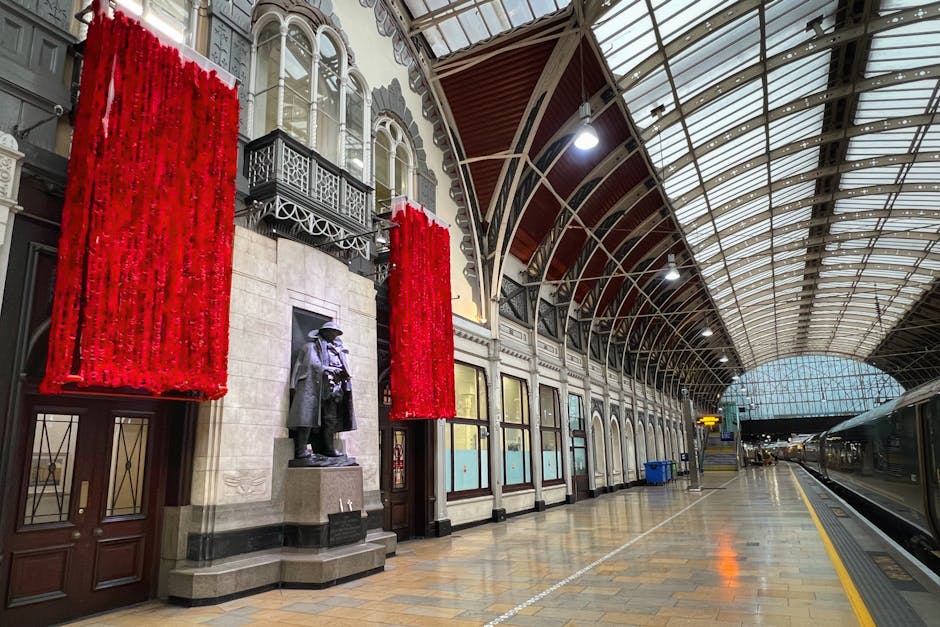
Paddington is a district in central London that sits within the City of Westminster and is best known for its transport links, mixed residential streets and strong connections to the wider West End. The area takes its name from the historic parish and was significantly shaped by nineteenth-century railway development, especially the opening and growth of Paddington station, which became one of London’s major rail gateways. That transport identity still defines much of the local character, linking long-established terraces, mansion blocks and commercial buildings with a steady flow of travellers and daily commuters. The district also includes the Paddington Basin redevelopment area, where canalside spaces and contemporary architecture sit beside older urban fabric. Regent’s Canal passes through the area, adding a quieter route for walking and waterside movement amid a dense part of the city. Nearby public spaces such as Norfolk Square and several smaller garden squares give the district pockets of open space between busy roads. The name Paddington is also strongly associated with St Mary’s Hospital, a major healthcare institution on Praed Street, and with the large transport interchange that includes the Underground and mainline station. The local built environment combines Victorian and later twentieth-century development, with a pattern of streets and blocks that reflects long-term change rather than a single period of expansion. Paddington remains a place where historic infrastructure, modern redevelopment and everyday city life sit close together.
Vehicle choice and load planning

The right vehicle matters because moving work is often decided by shape rather than by weight alone. A slim but tall load, a collection of boxes, or a few oversized pieces of furniture may each need a different arrangement in the back. Moving van options are useful when the job needs a balance between compact access and enough room for the items to sit safely without excessive stacking.
Planning the load in advance helps to avoid repeated handling and last-minute reshuffling. Heavier items are usually placed so they can support the rest of the load, while lighter or more delicate belongings need more thoughtful positioning. Straps, blankets and careful spacing are all part of keeping the cargo secure in transit, especially if the route includes stop-start traffic or several short drops. Good planning is less about complexity and more about avoiding preventable damage.
If the move includes mixed furniture and cartons, it is sensible to think about the sequence in which the items should come off the vehicle as well as how they go on. That sequence can save time at the destination and reduce the risk of boxed contents being buried behind large pieces. Customers do not need a detailed logistics diagram, but a reliable idea of what is moving, how bulky it is and what must travel together is genuinely helpful.
What a man and van service can cover
Man and van work is broad enough to suit many everyday moving situations, but it still benefits from clear limits. It is often the right fit for modest house moves, furniture delivery, student-style relocations, collection runs and small business transfers. It is less about a one-size-fits-all promise and more about adapting the transport to the item list, the access and the journey length in a way that keeps the move realistic.
Man and van transport is particularly useful where the load is too much for a car but does not call for a very large removals operation. It can handle mixed goods, selected furniture and items picked up from different places if the plan is clear. The work can also be scheduled around a storage visit, a second address or a simple collection and drop-off route, provided the load details are understood from the outset.
Useful information for a quotation includes the item count, whether furniture needs carrying upstairs, whether there are narrow entrances and whether any goods are especially fragile or awkward. If you are unsure what counts as the main part of the load, list the largest items first and then add the boxes or smaller pieces around them. That is usually enough to form a practical moving estimate without overcomplicating the enquiry.
Quotations, access and moving day details

When you request a price, the clearest enquiries usually describe the job in ordinary terms: what needs moving, where it is going and whether there are any access issues. A short list of the main items is often more useful than a long message full of vague instructions. If there are stairs, parking restrictions or parts of the property that make carrying more difficult, include that information so the moving plan reflects the actual conditions rather than an idealised version of them.
It can also help to mention whether the goods are already boxed, partly dismantled or still in use. That does not turn the enquiry into a formal survey; it just gives enough detail to estimate how the work will be handled. Pricing and quotes are easier to discuss when the job is described in a concrete way, because the size of the vehicle, the handling needed and the time involved can then be considered together.
If you are ready to arrange your move, send the details and ask for a quotation in plain terms. You can keep it brief and still be useful. Contact us to discuss the load, the addresses and the type of moving help you need, and we can take it from there.
Removals, collections and practical local support
Some moving jobs fall between a standard delivery and a full house removal. That is where a flexible removals service can be most valuable, because it allows the transport to match the item list rather than forcing the item list into a rigid category. Collections from shops, private sellers, storage units or another property may all be handled within the same general moving framework if the goods are suitable for transit together.
Removals can therefore cover a wide range of small to medium jobs, from furniture transfer to room-by-room household movement. The important part is to keep the service practical: the right vehicle, enough care with loading, and a simple understanding of where items start and finish. When the plan is clear, the move can be completed in a way that feels orderly rather than improvised.
If you need help deciding what to include in the moving request, start with the heaviest pieces and work down to the smaller cartons. Then think about whether anything needs extra protection or separate handling. That gives a proper basis for the job without inventing extras that are not needed. A plain, accurate description usually leads to a better moving arrangement than a polished but vague one.