Eco-friendly removals in Paddington: donate, recycle and reduce waste
Posted on 28/07/2026
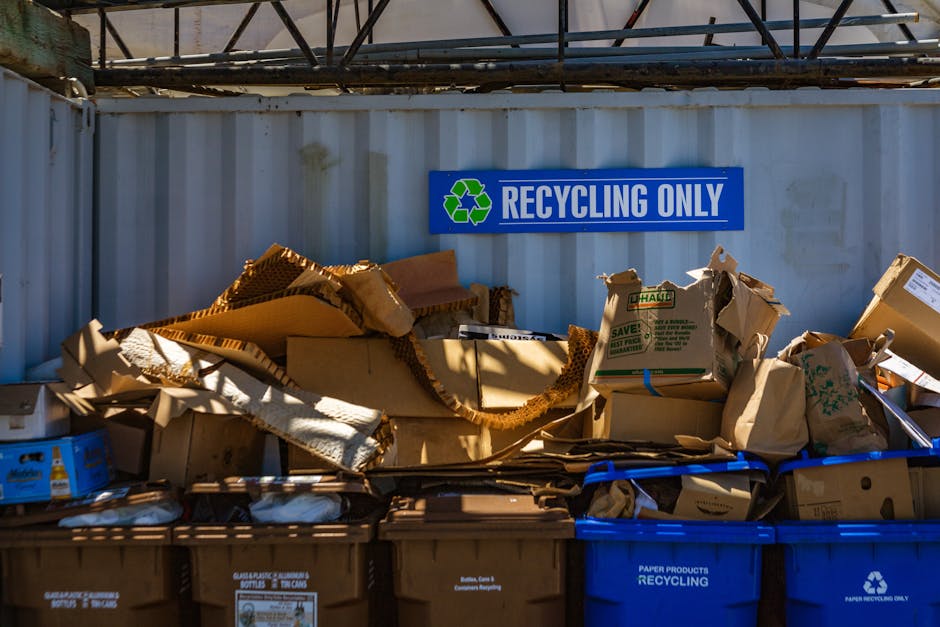
Moving house or office in Paddington can create more waste than most people expect. One moment you're sorting a few boxes, the next you've got old furniture, broken packaging, duplicate kitchen bits, and a small mountain of "I'll deal with that later" items. The good news? Eco-friendly removals in Paddington can be straightforward if you plan ahead and focus on three things: donate, recycle and reduce waste.
This guide walks you through how greener removals actually work, what to do with reusable items, how to keep recyclable materials out of the bin, and where people often slip up. It also covers Paddington-specific practicalities, from tight access and parking to the kind of move planning that makes the whole process feel calmer. Let's make the move lighter, cleaner, and a lot less wasteful.
- Why eco-friendly removals matter
- How eco-friendly removals work
- Key benefits and practical advantages
- Who this is for and when it makes sense
- Step-by-step guidance
- Expert tips for better results
- Common mistakes to avoid
- Tools, resources and recommendations
- Law, compliance and best practice
- Options, methods and comparison table
- Case study or real-world example
- Practical checklist
- Conclusion
- Frequently asked questions
Why Eco-friendly removals in Paddington: donate, recycle and reduce waste Matters
Paddington is busy, built-up and, in many parts, tightly packed. That matters because waste from a move doesn't just disappear into a van and vanish. If you throw everything together at the last minute, good items get damaged, recyclable materials get contaminated, and useful belongings often end up as landfill waste when they could have had a second life.
Eco-friendly removals are about making better decisions before the move starts. You donate what still has value, recycle what can genuinely be processed, and reduce the amount you move in the first place. That last one is easy to overlook, but it's often the biggest win. Fewer items usually mean fewer boxes, fewer trips, less stress, and sometimes lower moving costs too.
There's also a local angle. In Paddington and the wider W2 area, access can be awkward, loading times can be tight, and nobody wants bulky rubbish left on the pavement because it was "too much hassle" to sort properly. If you've ever watched a street on a moving day, you'll know how quickly cardboard, shrink wrap and broken flat-pack parts can clutter things up. A greener move keeps the street clearer and your conscience lighter. Simple as that.
Expert summary: the most eco-friendly move is not the one with the most recycling slogans. It's the one where you plan early, keep reusable items out of waste streams, and only dispose of what genuinely cannot be reused or recycled.
If you're moving a flat, a family home or a small office, the same principle applies. Start by asking, "Does this item need to move with me at all?" That one question can save time, money and a surprising amount of packaging.
How Eco-friendly removals in Paddington: donate, recycle and reduce waste Works
A greener removal process usually follows a simple order. First you sort items by condition and usefulness. Then you separate donations, recyclables and true waste. Finally, you move only what belongs in the new place. It sounds obvious, but in practice it needs a bit of discipline.
1. Sort before you pack
Do not wait until moving day. That's where the chaos creeps in. Go room by room and decide what stays, what goes to charity, what can be recycled and what is unsuitable for either. If you are packing in a hurry at 9pm the night before, everything starts looking like "keep" and that's how clutter survives the move.
2. Separate reusable items
Furniture, small appliances, kitchenware, books, clothes and home accessories can often be donated if they are clean and usable. Even items with cosmetic wear may still be useful to somebody else. The trick is to be honest. A sofa with a broken frame is not a donation item just because it once looked nice.
3. Recycle by material, not by wishful thinking
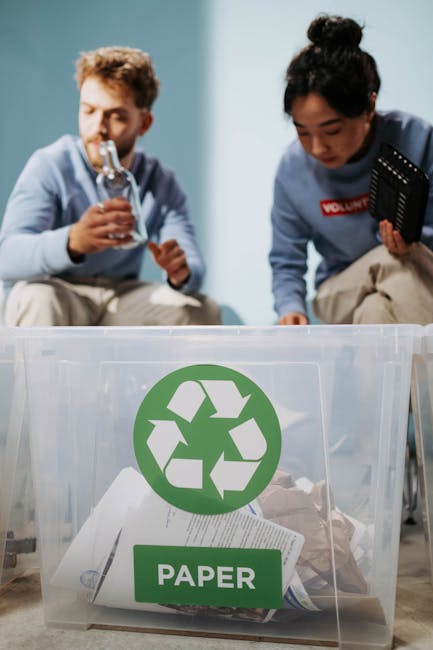
Cardboard, paper, some plastics, metals and some electrical items may be recyclable, but only if they are handled properly. Flatten cardboard boxes, remove obvious contamination, and keep mixed rubbish separate from clean recyclables. A greasy pizza box, for example, is not the same as a clean packing box. Small detail, big difference.
4. Dispose of non-reusable waste responsibly
Some things simply cannot be donated or recycled easily. Broken mirrors, damaged mattresses, contaminated soft furnishings, and mixed-material junk often fall into this category. For these, the aim is lawful, responsible disposal rather than dumping everything in the nearest bin and hoping for the best.
5. Choose a removal team that supports the process
A good local mover will help you plan the move around access, timing and item handling. If you're comparing options, pages like recycling and sustainability and services overview are useful starting points for understanding how different services may fit a greener move. For smaller, flexible jobs, man and van Paddington or man with a van Paddington can be practical, while larger moves may need a more structured approach through house removals Paddington or flat removals Paddington.
Key Benefits and Practical Advantages
Eco-friendly moving is not just a nice idea. It changes the whole experience.
- Less clutter: You carry fewer unused items into the new space.
- Lower waste: More material is reused or recycled rather than binned.
- Smoother packing: Sorting in advance makes boxes more organised.
- Better value: Less volume can mean less time, fewer labour needs and simpler transport.
- Less stress: A clear plan helps avoid the "what on earth do we do with this?" moment on moving day.
- Better local fit: In dense parts of Paddington, lighter moves are easier to manage around parking and access constraints.
There's a practical side many people miss: a greener move often leads to a more functional new home. If you only bring what you genuinely use, the new place feels calmer from day one. No random box of tangled cables haunting a cupboard. No three nearly identical kettles. No mystery chair that should have been retired five years ago.
And there's an emotional benefit too. Donating useful items can make a move feel less wasteful, which is reassuring when you're already dealing with enough change. It's one less thing to feel guilty about, which frankly is no small thing during a move.
Who This Is For and When It Makes Sense
This approach works for almost anyone moving in or out of Paddington, but it is especially useful in a few common situations.
- Flat movers: If you are leaving a compact apartment, you probably have limited storage and a lot of mixed household items.
- Families downsizing: You may have years of belongings to sort, and not everything will suit the next home.
- Students: Student moves often involve furniture that is still usable, but not worth taking repeatedly.
- Office relocations: Desks, chairs, files and old tech need a clear plan so they don't all become waste.
- Last-minute movers: Even if time is tight, a quick donate/recycle/reduce pass is better than packing blind.
It also makes sense if you're moving from a property near busy roads, narrow side streets or canal-adjacent areas, where every extra bag feels like an extra complication. If that sounds familiar, the practical advice in Little Venice removals: narrow streets and canal access tips may be helpful, especially for understanding how access and timing affect the move.
Truth be told, the greener method is not just for people who are already very organised. It is often most valuable for the people who feel overwhelmed. Structure helps when your move is getting messy.
Step-by-Step Guidance
If you want a move that wastes less and feels more manageable, follow this order.
Step 1: Make a room-by-room decision list
Go through each room and create four simple piles: keep, donate, recycle, dispose. Be decisive. If you keep changing your mind, the pile system turns into a vague "maybe" zone, and that is where progress goes to die.
Step 2: Pull out donation candidates first
Start with items that still have life in them: books, kitchenware, clothing, lamps, small furniture, toys, and decor. Clean them, check they work, and make sure they are safe for someone else to use. A donation item should feel ready to pass on, not like a project for the recipient.
Step 3: Break down recyclables properly
Flatten cardboard boxes, keep paper dry, remove loose plastic from packaging where possible, and separate metals, soft plastics and electrical items if you can. If something is mixed-material and hard to split, do not force it. Just classify it honestly and deal with it through the best available route.
Step 4: Keep hazardous or awkward items apart
Batteries, paint, chemicals, sharp objects and damaged electricals need extra care. Don't leave them loose in the back of a cupboard until the day before the move. That way lies panic. And maybe a cut finger.
Step 5: Cut packaging waste while you pack
Use sturdy boxes the right size. Reuse packing paper where possible. Avoid overbuying bubble wrap for items that only need a little cushioning. For most domestic moves, clever packing reduces waste faster than people expect. If you want a practical packaging breakdown, packing and boxes Paddington is a useful service page to look at.
Step 6: Plan the moving day order
Put donations near the door, recyclables in a separate stack, and only load what is truly moving with you. This keeps waste from being mixed into the van by accident. A little order at the start saves a lot of grief later.
Step 7: Make disposal the last resort
If something cannot be reused, donated or recycled safely, dispose of it through a responsible route. Good moving practice is about using the least wasteful option first, not just the quickest one.
Expert Tips for Better Results
Over time, the same small habits make the biggest difference.
- Start earlier than you think you need to. Most people underestimate how long sorting takes.
- Use one label style everywhere. Keep, donate, recycle and dispose should be obvious at a glance.
- Keep a "don't pack yet" box. It's useful for items you still need during the final week.
- Photograph bulky reusable items before donation. That makes it easier to share details if needed.
- Ask whether the item is worth moving at all. Some things are cheaper and greener to replace than transport.
- Schedule heavier waste early. Bulky items take more planning than people expect, especially if dismantling is needed.
One practical detail that gets overlooked: if you are moving furniture, dismantling may reduce damage and make reuse more likely. It can also make it easier to fit pieces safely in the vehicle. For more on that, the article on bulky item moves in W2 is worth a look.
Another quiet win is storage. Sometimes the greenest decision is not to rush everything into the new place. If you're in between homes or sorting through what truly stays, storage Paddington can help you move in stages instead of dumping everything into a landfill or squeezing clutter into a new flat.
Common Mistakes to Avoid
People usually do not fail at greener removals because they don't care. They fail because they get rushed, tired or overconfident. Fair enough - moving does that to everyone.
Mixing donations with rubbish
Once a donation item gets contaminated with food waste, broken glass or loose rubbish, it may no longer be suitable for reuse. Keep the streams separate from the start.
Leaving sorting until the final day
This is the big one. If you are still deciding on moving morning, waste reduction usually loses the argument. Suddenly everything gets packed just to get out the door.
Recycling dirty materials
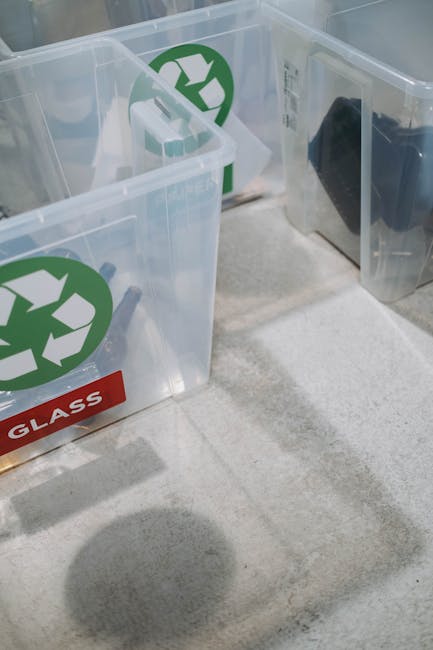
Recycling systems are not magic bins. Cardboard soaked in grease, wet paper, and mixed refuse can undermine the process. If a material is meant to be recyclable, keep it clean and dry where possible.
Ignoring bulky item handling
That old wardrobe or mattress may look simple enough until you try to move it down a narrow stairwell. Good planning matters, especially in Paddington where access can be tight and timing matters. If your move involves street access, it is worth understanding the practicalities of permits and loading bay rules for Paddington removals W2.
Assuming every mover handles waste the same way
They don't. Some teams are better at sorting, lifting and route planning than others. If you want clarity about what is included, checking avoid hidden fees and understand Paddington removal quotes can help you spot where services differ.
Forgetting compliance and access
If a vehicle blocks traffic, uses the wrong bay or leaves waste in the wrong place, the move can become more expensive and more stressful. The greener route is usually the more careful route too.
Tools, Resources and Recommendations
You do not need fancy gear to move sustainably. You need a few simple tools and a sensible system.
| Tool or item | Why it helps | Best use |
|---|---|---|
| Strong recycled boxes | Reduce the need for new packaging | Books, kitchen items, clothing |
| Reusable crates or tubs | Cut down on single-use cardboard | Small items, cables, tools |
| Paper tape | Often easier to separate than plastic-heavy alternatives | Sealing standard boxes |
| Labels and marker pens | Keep donation and recycling streams clear | Room sorting and box tracking |
| Furniture covers or blankets | Reduce damage and replacement waste | Sofas, tables, mattresses |
| Storage solution | Prevents rushed disposal decisions | Moves with staged unpacking |
On the planning side, it helps to use services that match the size of the move. A simple one-bedroom flat may suit a removal van Paddington setup, while a larger household might need removal services Paddington or a more complete moving package through removals Paddington. If you're comparing providers, removal companies Paddington is a sensible place to explore the broader service picture.
For office moves, the same sustainability logic applies. Old desks, monitors, filing cabinets and packaging can all be sorted properly instead of becoming an ugly afterthought. In that case, office removals Paddington is the most relevant service route.
Law, Compliance, Standards, or Best Practice
Greener removals in the UK are shaped more by best practice and responsible handling than by one single moving rulebook. That said, a few principles matter.
First, do not dump waste on the street or leave bulky items out without arranging proper collection. That can cause obvious nuisance and, depending on the item and location, may create council enforcement issues. Second, if items are electrical, hazardous, sharp or contaminated, they need appropriate handling. Third, if you are using vehicles in London streets, access, parking and loading arrangements should be planned in advance.
It is also sensible to keep insurance and safety in mind when handling bulky or awkward items. If you are comparing providers, information on insurance and safety can help you understand how care and coverage are typically approached. Likewise, a good provider should be willing to explain operating standards in plain English. That is where health and safety policy details can be reassuring, even if you only skim them.
For customer trust, practical standards matter too: transparent pricing, clear disposal expectations, and careful handling of belongings. If you want to know more about the company's general approach, about us is worth a quick read. And if you're comparing moving timelines or need something fast, same day removals Paddington may be relevant, although a rushed move is not always the greenest move. Ideally, you want both speed and planning. Yes, both.
One more practical point: access matters for waste reduction too. If a van can load efficiently and avoid repeated trips, emissions and disruption are usually lower. You can often improve that by planning with local route knowledge, such as the ideas in best moving routes from Paddington Station to Little Venice.
Options, Methods, or Comparison Table
Here is a simple comparison of the main ways people handle unwanted items during a move.
| Method | Best for | Pros | Limits |
|---|---|---|---|
| Donate | Usable furniture, clothes, books, homewares | Supports reuse, reduces landfill, helps others | Items must be clean, safe and suitable |
| Recycle | Clean cardboard, paper, metals, some plastics, some electronics | Reduces raw material use and waste | Contamination can make items unrecyclable |
| Reduce | Anything you do not truly need to move | Lowers packing, transport and clutter | Requires early decision-making |
| Dispose responsibly | Broken or contaminated items | Removes non-reusable waste correctly | Should be the last option, not the first |
For most moves, the winning order is simple: reduce first, donate second, recycle third, dispose last. That sequence keeps the best items in circulation and avoids lazy disposal choices.
It is also worth matching your move type to the right service format. A student move, for example, often benefits from a compact and efficient setup, which is why student removals Paddington can be a practical fit. A piano, on the other hand, is a very different problem altogether. If that's your world, piano removals Paddington is the safer route.
Case Study or Real-World Example
Picture a one-bedroom flat move near Paddington Basin. The tenant had lived there for three years and, like most of us, had accumulated more than expected: a spare chair, duplicate kitchen gadgets, old textbooks, packaging from online deliveries and a bookshelf that no longer suited the new place.
Instead of packing everything straight into boxes, the move was split into three quick passes. First came the donation pile: a working lamp, several books, a tidy side table and a set of kitchen items in decent condition. Next came the recycling pile: flattened boxes, clean paper, and separated packaging materials. Finally, the disposal pile held broken hangers, a damaged plastic storage tray and a few bits that had simply reached the end of the road.
The result was a smaller load, less wasted packing material and a much less frantic unpacking day. The new flat felt less crowded from the start. There was even enough space to breathe before the kettle had boiled. Funny how that matters.
This kind of move also reduced the chance of dumping good items into the wrong bin at the end of a long day. That is the real point. Sustainable moving is not about being perfect. It is about making a few better choices before exhaustion takes over.
Practical Checklist
Use this as your pre-move sanity check.
- Sort every room into keep, donate, recycle and dispose.
- Check all donation items are clean, safe and usable.
- Flatten cardboard and keep recyclables dry.
- Separate batteries, electrical items and hazardous materials.
- Decide early whether bulky furniture is worth moving.
- Use labels so boxes don't get mixed up.
- Avoid buying more packing materials than you need.
- Book the right removal support for your move size.
- Plan access, parking and loading in advance.
- Keep one final waste sweep before the van leaves.
Small note, but an important one: if you can reduce ten boxes down to six, that is a real win. It may not look dramatic on paper, but on moving day you will feel it immediately.
Conclusion
Eco-friendly removals in Paddington are really about making good decisions in the right order. Donate what still has value. Recycle what can genuinely be recovered. Reduce the rest before it becomes a problem. That's the formula, and it works whether you are moving a flat, a family home or an office.
The nicest part is that greener removals usually make the move easier as well. You pack less. You waste less. You arrive with more of what you actually need. And in a place as busy as Paddington, that kind of simplicity feels like a quiet luxury.
If you want help planning a cleaner, more efficient move, it is worth comparing your options carefully and choosing a service that respects both your belongings and the environment.
Get a free quote today and see how much you can save.
Sometimes the best move is the one that leaves the least behind.